5 Outdoor Adventure Essentials Reviewed: Our Honest Picks for Every Activity
Discover 5 essential outdoor gear items tested for durability and performance. From smartwatches to yoga mats, find what actually works for your adventures.
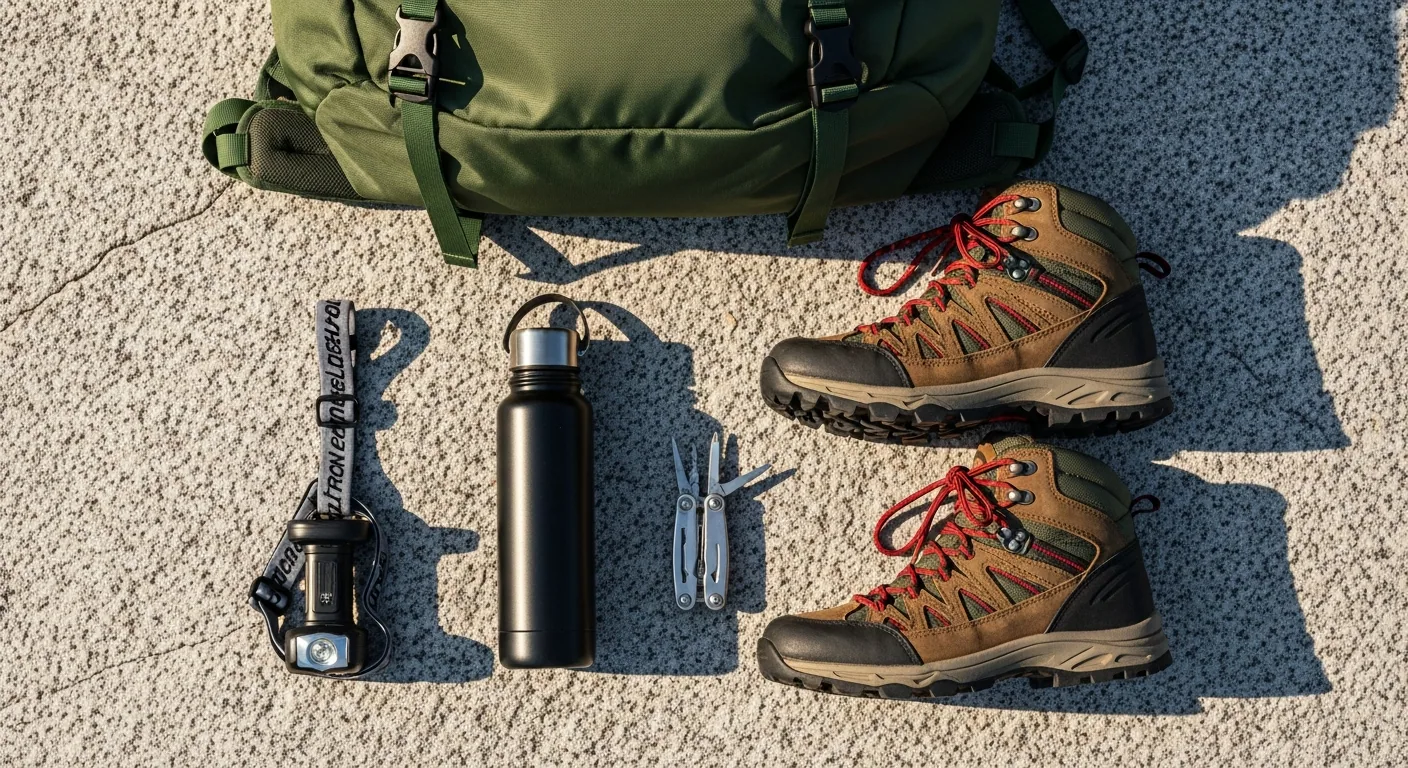
You know that moment when you're gearing up for an adventure—whether it's a weekend camping trip, a trail run, or just trying to stay hydrated through your day—and you realize your current setup is holding you back? Yeah, that's real. The difference between "I wish I'd brought better gear" and "I'm so glad I invested in this" often comes down to picking the right equipment before you need it.
What separates genuinely useful outdoor gear from the stuff that collects dust in your closet is simple: it solves a real problem without overcomplicating your life. The best pieces earn their place through reliability, thoughtful design, and honest performance. They work when conditions get messy, they don't quit on you mid-adventure, and they often become tools you didn't know you needed.
Here are five essentials that genuinely belong in your outdoor rotation, each selected for what makes it stand out and who it actually serves best.
1. Garmin Fenix 7 Pro Solar Edition
This isn't just a smartwatch—it's a wrist-mounted mission control center for serious athletes and adventurers. The Fenix 7 Pro Solar swaps the usual battery anxiety for something genuinely liberating: up to 22 days in smartwatch mode, or 73 hours of GPS tracking when you've got decent sun exposure. That solar-charging sapphire lens does the heavy lifting, turning daylight into extended operating time without adding bulk.
What really sets this apart is the completeness. You get multi-band GPS that works in dense forests where normal signals give up, endurance metrics that actually mean something (think Hill Score and Endurance Score), and comprehensive health tracking that goes beyond step counts. The 24/7 monitoring catches sleep patterns, irregular heartbeats via the built-in ECG, and stress levels—useful data if you care about optimizing performance or just understanding your body better. Military-grade durability means it survives drops, temperature extremes, and saltwater with zero drama. The LED flashlight is unexpectedly handy for navigating in the dark, though some might argue it's overkill for a watch.
The trade-offs are real: this sits at $800+, it's genuinely heavy compared to ultralight alternatives, and the feature set has a learning curve that'll take weeks to fully master. It's also bulkier than minimalist runners might want during high-intensity efforts.
Best for: Marathon runners, backcountry hikers, and anyone tracking endurance performance seriously—basically people who value data and reliability enough to justify the investment.
2. Coleman Sundome 4-Person Tent
This tent doesn't try to reinvent camping—it just does the basics really, really well. The Sundome has been flying off shelves for years because it's honest: affordable, straightforward to set up in about 10 minutes, and genuinely capable of handling mild weather without drama. The WeatherTec system (welded corners, inverted seams, tub floor) means rain doesn't find its way inside, and the frame holds steady in winds up to 35 mph, which covers most casual camping scenarios.
The ventilation design is thoughtful. Large windows and a ground vent team up to keep humidity and warmth from building up, which matters a lot during warm-season camping. The 9x7 floor space with nearly 5 feet of center height fits a queen airbed comfortably—though anyone expecting four adults to sprawl luxuriously will be disappointed. The E-Port for power cords and internal gear pockets solve small problems before they happen.
Here's where it gets honest: the partial rainfly means closing windows when rain gets heavy, defeating the ventilation advantage. The included stakes are flimsy and deserve upgrading immediately. It's also fundamentally a warm-weather tent—three-season at best—and the fiberglass poles aren't designed for extreme conditions or long-distance backpacking. For weight-conscious hikers, the 9-10 pounds starts feeling heavy after day three.
Best for: Casual car campers on a budget, families new to camping, and anyone who camps a few times a year in decent weather.
3. Hoka Clifton 9 Running Shoes
These shoes are cushioning advocates' dream realized. Hoka added 3mm more foam to an already plush platform, yet somehow made the shoe lighter. The result is a ride that feels protective without feeling slow—an impressive balance that most shoes completely botch. The MetaRocker geometry does the heavy lifting here, smoothing out heel-to-toe transitions and giving your leg muscles less work to do, which matters when you're covering miles regularly.
The upper is breathable engineered knit with a padded heel cup that actually stays put during runs. The 5mm drop takes pressure off knees and hips, which explains why podiatrists and orthopedic doctors recommend them. The outsole uses Durabrasion rubber only where it matters—high-wear zones—so you're not dragging unnecessary weight under your feet for 500 miles.
The catch? The toe box runs snug. Wide feet might need sizing up, which throws off the whole proportional fit. The cushioning, while exceptional, doesn't give you that bouncy spring-off-the-ground feeling some runners crave for speed work. And at $145-150, they're not budget running shoes.
Best for: Daily distance runners, people who run through chronic joint soreness, and anyone who logs serious weekly mileage and prioritizes comfort over speed.
4. Stanley Quencher H2.0 FlowState Tumbler 40 oz
This tumbler became a cultural moment for a reason—the engineering is genuinely smart. The double-wall vacuum insulation keeps cold drinks cold for 11 hours and hot drinks hot for 7, with ice surviving two full days. That's not marketing speak; that's actual thermal performance that changes how often you refill during your day. The 40-ounce capacity sits in that sweet spot between "actually useful" and "not absurdly huge."
The FlowState lid is the real innovation: three positions that rotate. Straw opening for spill-resistant sipping, standard drink opening, or sealed top when you're tossing it in a bag. The comfort-grip handle feels natural, and it fits car cup holders without the awkward squeeze. Made from 90% recycled stainless steel with zero BPA and fully dishwasher-safe—if you care about sustainability, this matters.
The downsides aren't deal-breakers but they're real: when full, it's genuinely heavy (over 2 pounds), which some people find annoying during workouts. The 40-ounce size doesn't fit neatly into backpack pockets. And because it went viral, occasional stock shortages exist, which is ridiculous but true.
Best for: Desk workers, gym-goers, road-trippers, and anyone who drinks the same beverage repeatedly throughout their day.
5. Manduka PRO Yoga Mat 6mm
This mat isn't just thick—it's dense in a way that changes how your practice feels. The 6mm construction protects your wrists and knees during weight-bearing poses without feeling mushy, and the firm base gives you the grounding stability you need when balancing on one leg. That matters more than it sounds when you're holding warrior poses or working through arm balances.
The closed-cell surface is genuinely hygienic. It doesn't absorb sweat, bacteria, or odors, which means your mat doesn't develop that funk other mats get after a few months. You literally just wipe it down and it's clean. The proprietary dot pattern underneath keeps it locked to the floor during dynamic flows. Manufacturing standards are serious—OEKO-TEX certified, zero latex, emissions-free PVC—so you're not breathing questionable chemicals during extended practice.
The break-in period is real: it'll feel slightly slippery at first, but the textured surface improves grip over time. The weight (nearly 5 pounds) makes it less portable, and the price—$138-144—positions it as a commitment rather than an impulse buy. But Manduka backs it with a lifetime guarantee, which tells you everything about their confidence in the product's longevity.
Best for: Studio practitioners with a permanent practice space, dedicated home yogis, and anyone who's tired of replacing mats every couple of years.
How to Choose the Right Outdoor Adventure Essentials
Define Your Use Case First
This isn't overthinking—it's the foundation of not wasting money. Are you a casual car camper who goes out twice a year, or a backcountry minimalist covering miles daily? A yoga mat that never leaves your home studio has completely different requirements than one you're traveling with. A smartwatch for everyday fitness tracking serves a different purpose than one that needs to log 12-hour ultramarathons. Match the gear to the actual activity, not an idealized version of yourself. Overbuying for a scenario you rarely face is how expensive equipment gathers dust.
Prioritize Durability Over Novelty
Cheaper gear often breaks when you need it most—on day three of a trip, mid-race, or during your favorite yoga session. Premium brands typically cost more upfront because they're built to last and perform consistently. A $140 yoga mat with a lifetime guarantee represents better value than replacing a $40 mat every two years. That said, durability only matters if it actually matches your use. If you camp twice yearly, a mid-range tent makes more sense than the most rugged expedition option.
Test Fit and Feel When Possible
Comfort is non-negotiable with items that go on your body. Running shoes fit differently across brands—what works for your friend might pinch your foot painfully. Yoga mats vary in how they feel under your hands. Trying equipment in person before committing saves frustration and return hassles. If in-person testing isn't possible, prioritize retailers with straightforward return policies. A tumbler that doesn't fit your hand right or a tent that claustrophobically makes you anxious becomes a regret quickly.
Balance Features Against Complexity
More features sound great until you're standing in the wilderness trying to figure out which menu leads to what you actually need. The Garmin Fenix 7 Pro is phenomenally capable, but you need to want those capabilities and be willing to learn them. A simpler watch might serve you better. Similarly, that Coleman tent's E-Port is useful only if you actually need to run power into your tent. Don't pay for complexity you won't use.
Invest in Gear That Matches Your Commitment Level
If you're serious about running, the Hoka Clifton 9 ($145) justifies itself through comfort and durability over a season of regular training—worth it. Similarly, the Manduka PRO mat at $138 makes sense if yoga is a consistent part of your routine, not an experiment. The Stanley Quencher at $45-50 is the accessible win here; you'll use it daily regardless of your outdoor commitment level, making it a no-regret purchase.
For one-off adventures or testing whether you actually enjoy an activity, the Coleman Sundome ($85-120) is smart budgeting. Prove you love camping before dropping serious money on premium shelter. The Garmin Fenix 7 Pro ($800+) is last—it's for people whose training already matters enough to track obsessively, not for someone just starting fitness routines.
Start with whichever gear matches your immediate, real-world needs. Add complexity and premium options as your commitment deepens.
Related posts
Personalized AI Wellness Tech: 7 Devices That Actually Adapt to Your Body
5 Outdoor Adventure Essentials Reviewed: Our Honest Picks for Every Activity

Colgate Optic White Advanced Review: Noticeably Whiter Teeth in Just Days