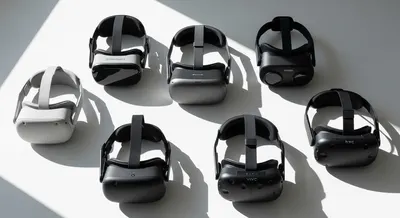
Top 12 Must-Have Gadgets for 2026: Expert Reviews of Flagship Tech
Discover 12 must-have gadgets for 2026. Expert reviews of flagship smartphones, smartwatches, headphones, and more. Find your perfect tech upgrade today.
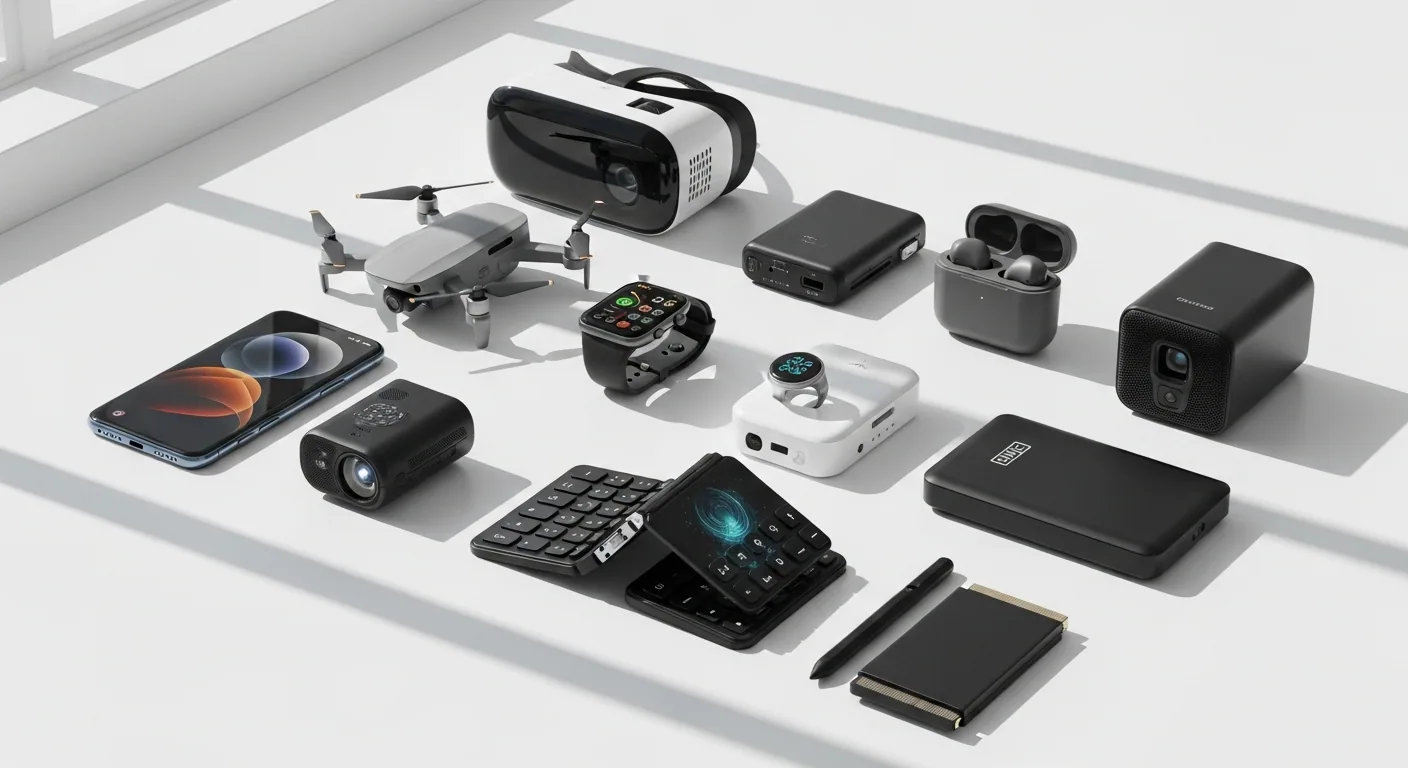
You know that moment when your phone dies at 2 PM and you're stuck without a way to navigate, listen to music, or—worst case—contact someone? Yeah, that's the modern frustration we're all living with. The gadget landscape in 2026 is absolutely stacked with options that genuinely solve real problems, but separating the hype from the actually-worth-your-money stuff requires knowing what to prioritize.
What separates genuinely great gadgets from the mediocre ones comes down to three things: execution (does it actually work as promised?), ecosystem fit (does it play nicely with your other devices?), and longevity (will you still want to use it in two years?). Too many products fail at least one of these criteria. The truly exceptional ones nail all three.
Below, we're covering the 2026 gadgets that deserve your attention—smartphones, smartwatches, headphones, earbuds, and portable power—with zero sugar-coating about their trade-offs.
1. Apple iPhone 17 Pro Max
The iPhone 17 Pro Max is what happens when a company with nearly limitless resources decides to refine something already brilliant. The higher refresh rate display is butter-smooth, the base storage bump means you're not immediately forced to pay for cloud services, and the expanded RAM finally brings iPhone performance closer to what Android flagships offered years ago. The camera system is genuinely impressive—this is where Apple continues to flex, combining computational photography with hardware that actually captures incredible detail.
Here's the real talk: at $1,099–$1,599, you're paying the Apple premium. That's not necessarily bad if you're already knee-deep in the ecosystem (iPad, Mac, Apple Watch), because the integration is legitimately seamless. But if you're comparing pure specs-to-dollar ratio, you'll find better value elsewhere. You also won't get the charging speeds of some Android competitors, and customization is basically nonexistent—you get what Apple decides you get.
The long-term software support is genuinely valuable though. Apple will push updates for five-plus years without slowing your phone to a crawl. That matters more than most people admit when comparing total cost of ownership.
Best for: Someone already living in the Apple ecosystem who wants the absolute best phone money can buy and doesn't mind paying for it.
2. Samsung Galaxy S26 Ultra
The Galaxy S26 Ultra swings harder than Apple's offering in almost every measurable way. That 200-megapixel main camera with 100x zoom sounds ridiculous on paper, but the phone actually delivers usable zoom without the usual blur that plagued previous attempts. The S Pen stylus alone justifies the Pro Max price for anyone who jots notes regularly. The 45W fast charging that hits 70% in 30 minutes is genuinely useful—you'll notice it in your actual daily life.
Samsung's AI integration is more aggressive than Apple's, which means either you love it or find it intrusive. Real-time translation is handy, but some features require a learning curve. The 6.9-inch display is genuinely massive; if you have smaller hands, this phone will feel unwieldy. And yes, it's expensive—matching or exceeding Apple's pricing without quite the same ecosystem lock-in.
The battery holds up well in testing, and that S Pen is proper nice if you use it. For creative types or people who need a stylus for productivity, this is the phone to beat.
Best for: Power users, creatives, and Samsung loyalists who want cutting-edge cameras and don't mind a large phone in their pocket.
3. Google Pixel Watch 4
Google finally figured out how to make a smartwatch that doesn't feel like an afterthought. The Actua 360 Display is genuinely stunning—3,000 nits of brightness means you can actually read it in sunlight without squinting, and the domed AMOLED is premium in a way that matters. Multi-day battery life with quick charging addressed the biggest complaint about earlier Pixel Watches. The health tracking is comprehensive, and if you're using a Pixel phone, the integration is seamless.
Built-in Gemini is legitimately useful—you can ask questions and get answers without reaching for your phone. The reduced bezels mean more screen real estate. That said, these features are best optimized on Pixel phones; if you're using a Samsung Galaxy or another Android device, you'll get functionality but not the full experience. And it's not quite as rugged as something like the Apple Watch Ultra if you're planning outdoor adventures.
The 41mm and 45mm options with both Wi-Fi and LTE variants show Google's thinking about different user types, which is smart.
Best for: Android users (especially Pixel owners) who want an attractive smartwatch with excellent health tracking and deep Google services integration.
4. Apple Watch Ultra 3
The Apple Watch Ultra 3 is the smartwatch for people who actually go places where normal watches would fail. Satellite connectivity means you can call for help or send SOS messages from the middle of nowhere. 5G adds another layer of connectivity. The battery life is absurd—42 hours normally, 72 hours in low power mode—which means actual multi-day trips without charging anxiety. The LTPO3 OLED display with 3,000 nits is as bright as it gets.
The new stress detection and breathing exercise suggestions feel thoughtful rather than gimmicky. The S10 processor enables new gestures like Wrist Flick, which sounds minor until you're wearing gloves and can't use traditional touch controls. The titanium case and 100-meter water resistance mean it'll survive your adventures better than a regular Watch.
The trade-off? It's expensive at $779–$899, and it's genuinely bulky on smaller wrists. If you're not actually using the adventure features, you're paying for capabilities you don't need. Some casual users will find the feature set overwhelming.
Best for: Athletes, hikers, and outdoor enthusiasts who spend real time in remote areas and need a watch that won't quit.
5. Sony WH-1000XM6
These headphones do one thing better than almost anything else on the market: silence the world. The noise cancellation is legitimately impressive—we're talking filtering out rumbling buses, background chatter, and subway brakes. The new QN3 chip is seven times more powerful than the previous generation, and you can hear the difference in how aggressively it cancels ambient noise while keeping your audio pristine.
The sound quality itself is exceptional, with a particular strength on vocals. LDAC and LC3 codec support means better audio fidelity for high-resolution tracks. The 32-hour battery life with ANC enabled is genuinely excellent, and the design is comfortable for extended listening sessions (though they're not the most portable—they fold, but they're still bulky). Voice calling performance is improved thanks to multiple mics and better processing.
The price is steep at $349–$399, and the touch controls can be finicky depending on your hand positioning. They're not lightweight, so if you're a minimalist traveler, there are more compact options. But if your primary use case is travel, commuting, or anywhere with ambient noise, these are genuinely the best you can buy.
Best for: Frequent travelers and office workers who need class-leading noise cancellation and don't mind the bulk or cost.
6. Apple AirPods Pro 3
The AirPods Pro 3 are the objectively best wireless earbuds if you're already using iPhones, iPads, and Macs. The automatic device switching is genuinely magical—no manual disconnecting and reconnecting, it just knows where you are and connects to the right device. The H2 chip brings real performance improvements, and the noise cancellation is genuinely excellent without feeling stuffy.
Spatial audio with head tracking is properly immersive on Apple devices. The transparency mode sounds remarkably natural—you can actually hear your surroundings without removing the buds. Voice Isolation for calls actually makes a difference. USB-C audio for hi-res wired listening is an unexpected bonus that adds versatility. The compact design is comfortable for extended wear.
They're expensive at $249–$299, and the best features are honestly optimized within the Apple ecosystem. If you're using Android or mixing devices, you won't get the full experience. Battery life is good but not class-leading for earbuds—some Android options squeeze out longer playback per charge.
Best for: iPhone and Apple ecosystem users who want best-in-class integration and seamless device switching.
7. Samsung Galaxy Buds 4 Pro
The Galaxy Buds 4 Pro are Samsung's response to Apple's earbud dominance, and they're legitimately competitive. The upgraded drivers deliver excellent sound with rich audio. The adaptive noise canceling is effective, and the transparency mode is genuinely top-tier—you can hear surroundings clearly. The sleeker design with improved comfort makes them suitable for active use and prolonged wear.
Voice-calling performance is enhanced with better mic clarity. The touch and voice controls work well and feel intuitive. They're $199–$229, which undercuts Apple by $50, and if you're using Samsung Galaxy devices, the integration is seamless. The compact fit is genuinely discreet.
The battery life is respectable but not exceptional compared to some Android competitors. The best features are often tied to the Samsung ecosystem, so if you're mixing phones, you won't get full functionality. Touch controls can be overly sensitive for some users, causing accidental activations.
Best for: Samsung Galaxy users who want excellent audio and effective noise cancellation at a lower price point than Apple's offering.
8. OnePlus Watch 3
The OnePlus Watch 3 is the wildcard pick that quietly became brilliant. The 120-hour battery life is not theoretical—reviewers have actually verified it holds up. That's five full days between charges. The Wear OS 5 experience is comprehensive and customizable. The titanium alloy design with a functional rotating crown feels premium without the Apple price tag.
The dual-chip architecture (Snapdragon W5 plus an efficiency chip) is smart engineering—powerful when you need it, efficient otherwise. Enhanced health tracking and the "360 Mind and Body" feature feel thoughtful. Improved GPS accuracy matters for runners and cyclists. The classic round AMOLED display is genuinely attractive.
Availability is limited in some regions, so you might struggle to find one. The brand ecosystem isn't as established as Apple or Samsung, meaning some features might require a OnePlus phone for full functionality. But at $349–$399, you're getting premium features for better value than competitors.
Best for: Android users who prioritize battery life above almost everything else and appreciate a classic watch aesthetic.
9. Anker Laptop Power Bank
The Anker 737 Power Bank (or similar high-capacity models from their lineup) solves the specific problem of keeping multiple devices alive when you're far from an outlet. The 24,000mAh capacity genuinely keeps a laptop charged for a full workday plus smartphone top-ups. High-watt USB-C charging is crucial for modern laptops. Multiple ports (USB-C and USB-A) mean you can charge several devices simultaneously.
This isn't the sexiest product on the list, but it's genuinely useful. You'll think about it every time you're sitting in an airport lounge or conference room and realize you're not frantically searching for an outlet. It's airline-friendly for capacity. The build quality is solid—this is Anker doing what Anker does well: reliable, no-nonsense accessories.
The trade-off is weight and bulk depending on capacity. Lighter models have less capacity. You're paying $99–$199 depending on wattage and size, which is reasonable for what you're getting, but it's still an additional expense.
Best for: Digital nomads, remote workers, and frequent travelers who need their devices charged for extended periods away from electrical outlets.
10. Apple AirTag
The AirTag is beautifully simple: a small disc you attach to your keys or bag, and it uses Apple's Find My network (hundreds of millions of devices) to help locate it. If you lose your keys, you use the Find My app and it shows you where they are. Precision Finding on compatible iPhones uses ultra-wideband to guide you directly to the item with visual and audio feedback.
The 50-meter sound range is genuinely loud—you'll hear it from a distance. The user-replaceable battery lasts over a year, so you're not constantly buying new trackers. It's water and dust resistant. The elegant design is inoffensive. The setup is literally tap-and-done on iPhones.
Here's the limitation: it's primarily designed for Apple users. Android users get severely limited functionality. If you're mixed-device household (Android phone, but your partner has an iPhone), the AirTag's utility for you drops significantly. Privacy concerns exist about the Find My network being used for stalking, though Apple has implemented safeguards. You'll need an iPhone or iPad for full functionality—you can't set it up or use Precision Finding with an Android phone.
Best for: iPhone users who regularly misplace keys, wallets, or bags and want frictionless tracking within the Apple ecosystem.
11. Bose QuietComfort Ultra 2 Headphones
The Bose QuietComfort Ultra 2 is the choice when you prioritize comfort above almost everything else. The memory-foam ear cups genuinely feel like listening to music while resting your head on a pillow—they contour to your ears without pressure points. The lightweight construction means you can wear them for eight-plus hours without your ears getting sore. The sound is crisp and detailed with satisfying bass depth.
The noise cancellation is excellent—not quite Sony-level aggressive, but it's smooth and natural-sounding. Lossless audio via USB-C appeals to audiophiles who actually care about bitrate and fidelity. Battery life is good for long sessions. The mix of physical buttons and touch controls feels intuitive. They power on and connect quickly.
At $329–$379, they're premium pricing, though slightly less than Sony. They're bulky compared to earbuds—not portable in the same way. They don't have as many smart features as some competitors; this is intentionally straightforward. If you want touch gestures, AI assistants built-in, or app ecosystems, look elsewhere. But if you want to listen to music in supreme comfort without distraction, these are legitimately excellent.
Best for: People spending long hours at desks or on planes who need comfort as much as sound quality and don't mind bulkier headphones.
How to Choose the Right 2026 Gadgets
What's Your Ecosystem?
This is the single most important factor. If you own an iPhone, iPad, and Mac, forcing yourself to use Android smartwatches and earbuds creates friction—missed handoff features, no Siri integration, separate battery management. The same applies if you're all-in on Samsung or Google. Cross-ecosystem compatibility exists, but it's always compromised. Decide first whether you're Apple, Android, or mixed, then evaluate gadgets within that constraint. Switching ecosystems for a single device rarely makes sense unless that device solves a problem nothing else in your ecosystem can solve.
Battery Life vs. Features
Modern gadgets force a choice: maximum features with moderate battery life, or exceptional battery life with more modest features. The OnePlus Watch 3 achieves 120 hours by being efficient-first. The Apple Watch Ultra 3 prioritizes features (satellite, 5G) and still hits 42 hours. Your daily routine matters here. If you commute 30 minutes daily and always have access to power, a device lasting 8–12 hours is fine. If you travel frequently or spend days without outlets, battery longevity becomes non-negotiable.
Noise Cancellation Priorities
If you need this feature, understand what you're canceling out. Sony's approach is aggressive and comprehensive—it flattens most ambient noise into silence. Bose's is smoother and more transparent-sounding. Apple's is effective but less ruthless. Samsung's is effective but requires tuning. None are bad; they're different philosophies. Sit with each type if possible before committing. What sounds like perfect silence to one person sounds claustrophobic to another.
Smart Features vs. Simplicity
The Samsung Galaxy S26 Ultra has aggressive AI features that some users love and others find intrusive. The Bose headphones deliberately minimize smart features in favor of audio quality and comfort. Neither is wrong—it's about whether you want your gadgets doing things automatically or whether you prefer explicit control. Aggressive smart features can save time or drive you bonkers. Know yourself honestly before buying something with eight AI features you'll disable anyway.
Price-to-Longevity Math
The most expensive option isn't always the worst value. Apple's five-plus years of software support means an iPhone from 2021 still works smoothly, while some Android phones from the same period have slowed considerably. The Sony WH-1000XM6 at $349 will outlast cheaper headphones by years because the drivers don't degrade and replacement parts are available. Do the math: a $99 power bank you'll replace in two years might cost more per year than a $199 one that lasts five. This is especially important for phones and watches since you're carrying them daily.
Choose Your Perfect 2026 Gadget
If you're locked into Apple, the iPhone 17 Pro Max plus AirPods Pro 3 combination is legitimately the best your money can buy—the integration is seamless and the performance is outstanding. If you're committed to Android, the Samsung Galaxy S26 Ultra with Galaxy Buds 4 Pro delivers similar quality at slightly better value. For smartwatches, pick based on how much you actually use outdoor/adventure features: the Apple Watch Ultra 3 if you're regularly in remote areas, the Pixel Watch 4 if you want a clean Google experience, the OnePlus Watch 3 if battery life matters more than brand loyalty.
For audio, Sony WH-1000XM6 if noise cancellation is your main priority, Bose QuietComfort Ultra 2 if you're wearing them for 8+ hours and comfort trumps everything. For power, the Anker Laptop Power Bank isn't sexy but it's genuinely useful if you spend time away from outlets.
Start with your ecosystem, then build outward—it's the fastest way to avoid buyer's regret.
Related posts
11 Must-Have Tech Gadgets: Honest Reviews and Buying Guide for 2024
Maybelline Lash Sensational Sky High Mascara Review: Length, Volume, and Lift That Lasts

Native Deodorant Review: Natural Odor Protection That Actually Works