
5 Baby Products Reviewed: Our Honest Picks for 2026
Discover 5 essential baby products that parents trust in 2026. From monitors to high chairs, we review features, pricing, and real-world performance.
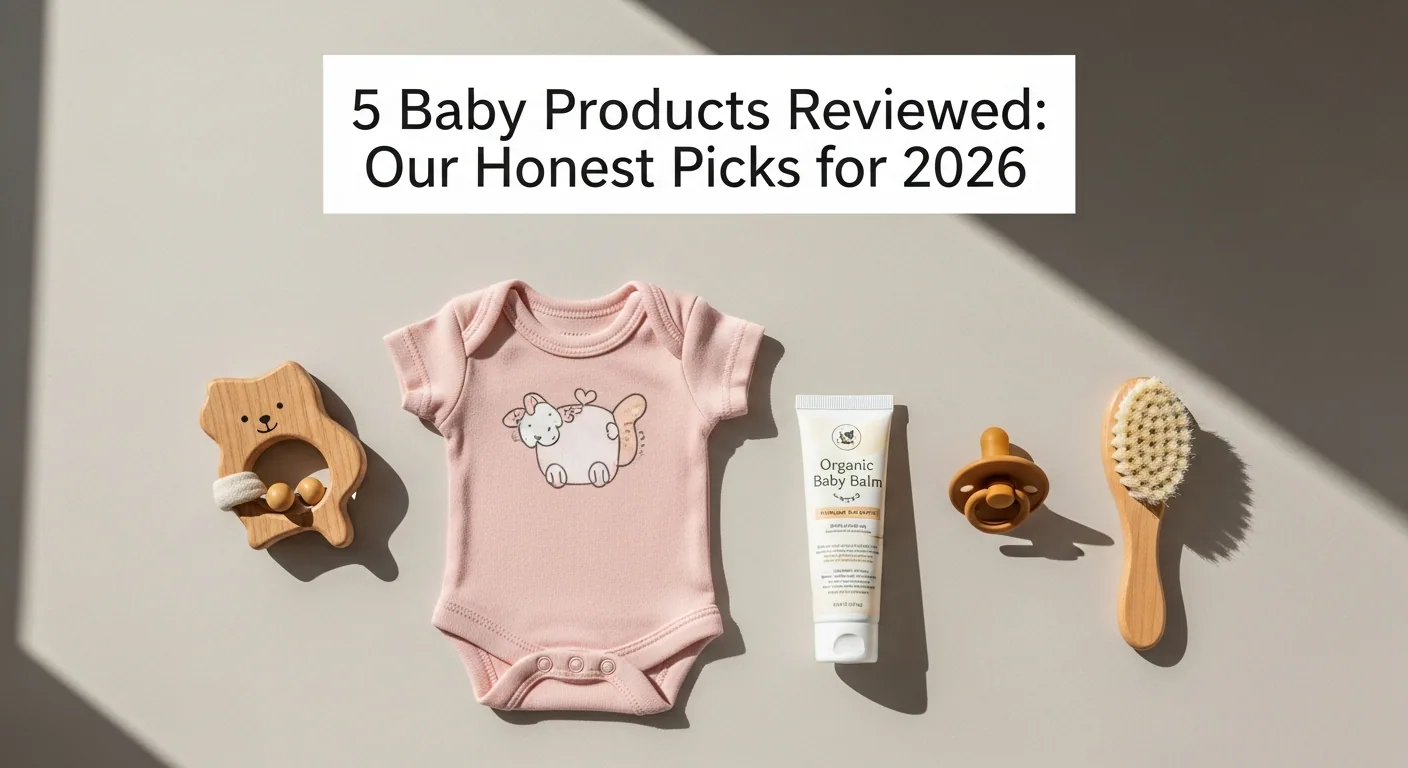
Introduction
You're standing in the nursery at 2 AM, phone in hand, wondering if that monitor you bought is actually good enough—or if you're missing some crucial feature that could change everything. Sound familiar? The baby products market in 2026 has exploded into this overwhelming maze of smart gadgets, ergonomic furniture, and specialized feeding solutions, all promising to make parenting easier while somehow making the decision harder. The truth is, most parents feel lost when choosing these items because the stakes feel impossibly high and the options genuinely endless.
What separates a truly great baby product from the mediocre ones comes down to three things: does it actually solve a real problem, does it last long enough to justify its cost, and—honestly—will you still be using it six months in without secretly resenting it? The best products in this space blend safety, practicality, and design in ways that feel thoughtful rather than gimmicky. They earn their place in your home through genuine usefulness, not marketing hype.
Here's what we're covering: five of the most solid baby products you'll encounter in 2026, each one solving a different piece of the parenting puzzle.
1. Nanit Pro Baby Monitor
The Nanit Pro represents where baby monitors have headed—basically a home security system specifically designed for watching your sleeping kid. It shoots crystal-clear 1080p video even in pitch darkness, mounts overhead for zero blind spots, and pairs with an app that actually gives you insights about your baby's sleep patterns rather than just letting you stare at a grainy image at midnight. The two-way audio is straightforward, the built-in nightlight is soft enough not to ruin bedtime, and the temperature sensors mean you're never guessing if the nursery is too hot or cold.
Where Nanit Pro gets interesting is the breathing wear compatibility—this is the thing that appeals to parents who lie awake worrying. The wearable band tracks your baby's actual breathing motion, giving you data that feels genuinely reassuring rather than anxiety-inducing. The whole system requires Wi-Fi and leans heavily on the smartphone app, which is convenient until you realize you're now checking your phone to watch your baby sleep. There's also a subscription angle for full features, which is the modern baby product curse. And yes, it costs serious money—we're talking $300-plus territory.
Best for: Tech-forward parents with anxiety who want granular data and aren't bothered by monthly subscriptions for peace of mind.
2. Infant Optics DXR-8 Pro Baby Monitor
The DXR-8 Pro is the answer to every parent who looked at WiFi-connected monitors and thought, "Yeah, I don't want my baby's camera connected to the internet." It's a dedicated monitor system with a parent unit that's essentially a small screen you carry around—no phone required, no internet required, no subscription required. The transmission reaches up to 1000 feet, which is plenty for a house and then some, and it actually works if the power goes out or your WiFi decides to have an existential crisis at 3 AM.
The video quality is genuinely solid, and you can swap out lenses for different viewing angles (wide-angle for seeing the whole crib, zoom for checking if the baby is actually breathing). The pan-tilt-zoom controls let you adjust your view without moving the camera itself. The trade-off is that you're carrying another device, charging another device, and accepting that this monitor doesn't integrate with your smart home ecosystem. It also lacks the fancy sleep tracking that pricier models offer. But if you sleep better knowing your monitor is a closed system with no cloud dependency, this is the one.
Best for: Security-conscious parents who don't want to rely on WiFi or phone apps and actually like having a dedicated device to hold.
3. Nanobebe Flexy Silicone Anti-Colic Bottles
If you've ever watched a baby cry for hours because of gas, you understand why parents become obsessed with anti-colic bottles. The Nanobebe Flexy bottles are soft, squeezable silicone (not hard plastic) that mimic how breastfeeding actually works—the bottle gives slightly when the baby sucks, creating a more natural experience. The triple-vented system is engineered to reduce the amount of air your baby sucks in while feeding, which directly translates to less gas and less screaming at 11 PM.
These bottles clean easily, they're free of questionable plastics, and they make the bottle-to-breast transition feel less jarring for babies. The silicone can absorb odors if you don't clean them quickly, and they're pricier than basic plastic bottles—you're paying for function, not style. But if your baby is prone to gas, this is legitimately one of the purchases that pays for itself in sanity. Parents who've switched from regular bottles to these consistently report their babies are calmer during feeding.
Best for: Parents dealing with colicky babies or anyone transitioning between breast and bottle feeding who wants to minimize digestive issues.
4. Chicco KeyFit Max Infant Car Seat
Car seats are the one piece of equipment where you cannot compromise on safety, and the KeyFit Max earned its reputation by being both seriously safe and reasonable priced. It handles newborns up to 30 pounds, works with or without a base (that European belt routing feature means you can install it securely without the separate base if you're traveling), and the 5-position headrest adjusts as your baby grows without requiring you to rethread harnesses—seriously, this detail is chef's kiss when you're dealing with a growing kid.
The anti-rebound bar, side-impact protection, and overall crash-test performance put this in the legitimate safety conversation. Installation feels intuitive with the SuperCinch LATCH tighteners and those bubble levels that actually help you get it right. The fabric comes off for washing, which matters more when you're dealing with spit-up and mysterious stains. The main drawback is weight—once your baby is six months old and you're carrying this seat in and out of cars constantly, you'll feel it. But six years of use and zero safety compromises make this smart value.
Best for: Safety-first parents who want a car seat that grows with their baby and won't require replacing in two years.
5. Stokke Tripp Trapp High Chair
Most high chairs are temporary solutions—you buy it, use it for 18 months, and donate it. The Tripp Trapp is designed to be with your family for literally decades. It starts as a proper high chair for your eating baby, transforms into a toddler chair, then a regular chair for older kids, and eventually, an actual piece of furniture adults sit on. The adjustable seat and footrest mean your baby is always in proper ergonomic position—feet supported, back straight—which matters more than people realize. Your six-month-old can sit at the dinner table with the family, genuinely participate in meals, instead of being strapped off to the side in a plastic contraption.
Yes, it costs $250-350 just for the chair, and you'll probably want the newborn insert for tiny babies, which is sold separately. Yes, it takes up space. But the math actually works: one chair across 15+ years beats buying four different chairs at $100 each over time. It's real wood, it's beautiful enough to not hide in a closet, and it forces you to invest in something rather than treating feeding time as a temporary phase.
Best for: Parents who want to skip the constant replacement cycle and invest in furniture that grows with their family.
How to Choose the Right Baby Products 2026
Safety and Certifications Matter Most
Never compromise here. Car seats should pass NHTSA standards, monitors should have genuine encryption if you're using WiFi, and bottles should be BPA-free at minimum. Check for third-party testing certifications rather than taking marketing claims at face value. This is the one category where "cheaper" often means "genuinely less safe," not just "less fancy."
Think Beyond the First Year
Baby products are expensive, so consider longevity. Does this solve a need for six months or six years? The Tripp Trapp costs more upfront but works for a decade. The Nanit Pro requires ongoing subscription costs. The DXR-8 has zero monthly fees. Map out the real total cost of ownership, including subscriptions, replacements, and accessory costs that aren't obvious at purchase.
Integration Versus Simplicity
Decide whether you want everything connected to your phone and smart home, or whether you prefer standalone devices that do one thing well. There's no universal right answer—some parents love the convenience of integrated systems, while others find that constant connectivity exhausting. Be honest about which camp you're in before buying.
Read Reviews from People Actually Using It
Not influencer reviews—actual parent reviews where someone's complaining about real problems. Does the monitor app crash constantly? Are people saying the bottles still cause gas? Do parents report the car seat is genuinely difficult to install despite what the manual claims? These honest reviews reveal the gap between what products promise and what they actually deliver.
Choose What Works for Your Family
If you're overwhelmed by choice, start here: the Chicco KeyFit Max is the most essential purchase of these five because car safety is non-negotiable and this seat does it better than pricier options. The DXR-8 Pro makes sense if you want monitoring without the subscription trap and internet anxiety. And the Tripp Trapp, while expensive, actually saves money over time if you have multiple kids because it won't need replacing.
The monitor you choose depends on your relationship with technology—are you the person who checks her phone 47 times before bed, or the person who wants a simple dedicated device? The bottles you choose depend on whether your baby actually struggles with gas or if you're buying problems that don't exist. Pick based on your actual life, not the life you think you should have as a parent.
Start with what solves your biggest current problem, not what sounds most impressive.
Related posts

EltaMD UV Clear SPF 46 Review: Lightweight Sunscreen for Clear, Protected Skin
HydroJug Traveler Review: The Ultimate Leak-Proof Water Bottle for Life on the Go
5 Outdoor Adventure Essentials Reviewed: Our Honest Picks for Every Activity