
7 Sustainable Home Essentials That Actually Reduce Your Environmental Impact
Discover 7 eco-friendly home products that cut waste, save energy, and simplify sustainable living. From composters to reusable wraps, find what works for your home.
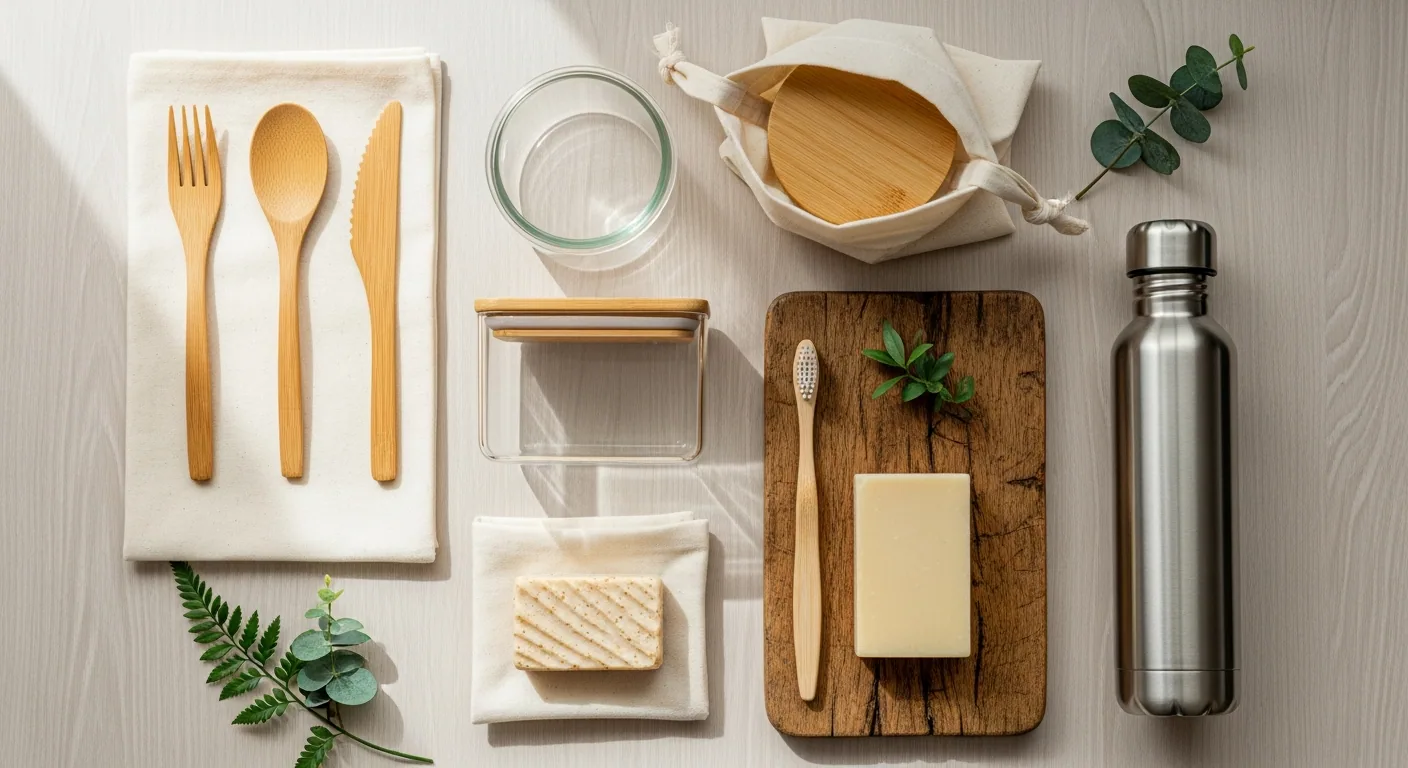
Introduction
You're standing in your kitchen at 7 AM, staring at a pile of plastic bags and single-use containers, and suddenly it hits you: how many of these will I throw away before lunch? The average household generates around 4.5 pounds of trash daily, and a shocking amount of it comes from the stuff we use once and discard. If you've felt that nagging guilt about it, you're not alone—and you're definitely not powerless.
The difference between genuinely sustainable home products and greenwashed imposters comes down to three things: durability (will this actually last long enough to justify its environmental cost?), true waste reduction (does it eliminate something or just replace it with a "green" version?), and honest trade-offs (because nothing's perfect). Some products deliver on all three. Others? They're just expensive ways to feel good about yourself.
Here's what you're getting: seven legitimately useful eco-friendly home essentials, a practical buying framework, and the real talk on which ones are worth your money.
1. Lomi Composter (by Pela)
The Lomi is basically a kitchen appliance that turns your food scraps into something your plants actually want—no backyard required. It's sleek enough to sit on your counter without looking like an eyesore, and it uses a combination of heat, grinding, and activated carbon filters to break down everything from avocado pits to pizza crusts (well, most of them) into nutrient-dense soil or a pre-compost material.
Here's where it shines: if you live in an apartment or don't have outdoor composting space, this cuts down your food waste volume by roughly 80%. The three processing modes give you flexibility—Eco Express is quick if you just need space in the bin, while Grow Mode creates actual fertilizer you can use. The odor control is genuinely impressive; you won't be that neighbor everyone avoids because their kitchen smells like a compost heap. The electricity cost is negligible (less than a dollar per cycle), so it's not secretly devastating the planet while pretending to save it.
The catch? It's a $500 commitment before you even factor in the filters and LomiPods (those little cartridges that help it work). The machine also sounds like an aggressive dishwasher during operation—not exactly silent. And if you have a large family generating massive amounts of scraps, you'll be running it daily, which means ongoing costs stack up. It's best for people who genuinely feel bad about food waste, have the counter space, and won't mind maintaining it like any other kitchen appliance.
Best for: Urban apartment dwellers who want the environmental benefits of composting without the backyard commitment.
2. Stasher Reusable Silicone Storage Bags
Stasher bags are what plastic wrap wishes it could be. Made from food-grade platinum silicone, they seal with a satisfying pinch-lock mechanism that actually works—no more fiddling with finicky plastic edges. They're freezer-safe, microwave-safe, oven-safe up to 425°F, and dishwasher-safe. You can use the same bag for storing leftovers, prepping meals, cooking sous-vide, or keeping snacks organized while traveling.
The math on waste reduction is straightforward: one bag replaces hundreds of plastic sandwich bags or plastic wrap sheets over its lifetime. They're durable enough to last years if you don't abuse them, and they resist staining and odors better than you'd expect. The range of sizes means you can get exactly what you need—everything from half-cup portions to gallon-sized storage. The vibrant colors are genuinely attractive, which matters if you care about your kitchen not looking like a storage facility.
Where they stumble: that Pinch-Loc seal, while effective, has a learning curve. Your first few attempts might leak. The silicone can trap stubborn smells if you store something strongly flavored for weeks, and getting them completely dry (especially in dishwashers with poor air circulation) can be annoying. At $8 to $35 per bag, buying a full set costs real money upfront. But if you do the math against buying disposable bags for years, it breaks even pretty quickly.
Best for: People who meal-prep regularly or have kids and are exhausted by single-use plastic accumulating in their trash.
3. Google Nest Learning Thermostat (4th Gen)
This thermostat learns your temperature preferences and automatically adjusts your heating and cooling schedule to minimize energy waste. The 4th generation update brought a larger display, built-in room sensors, and smarter home integration—including support for Matter, the smart home standard that might actually unify your devices someday.
Real talk: if you've been running your old thermostat manually or have a basic programmable one, switching to this could genuinely save you money. The AI learns when you're home, when you leave, and what temperature you actually prefer. Studies suggest households see 10-15% savings on heating and cooling costs annually. The included room sensor is actually useful—it measures temperature in a specific area and adjusts accordingly, so your bedroom isn't fighting your living room for dominance. The design is clean and modern, and it integrates with Google Home, Apple HomeKit, and Alexa without drama.
The problems: it's expensive at $280, and you can get similar energy savings from a $100 thermostat if you're willing to program it manually. The controls use a physical bangle (a rotating ring) rather than a touch screen, which some people find unintuitive. Installation typically costs extra unless you're comfortable with wiring. And if your HVAC system is ancient and inefficient, a smart thermostat is like putting fancy wheels on a broken car—helpful, but not solving the real problem.
Best for: Homeowners with modern HVAC systems who want their tech to work seamlessly with their smart home setup and actually care about tracking energy usage.
4. Bee's Wrap Reusable Beeswax Food Wraps
Bee's Wrap is an organic cotton fabric infused with beeswax, jojoba oil, and tree resin—basically everything you want in a natural food wrap and nothing you don't. You mold them around food, containers, or bowls using the warmth of your hands, and they naturally cling. They're breathable (so food doesn't get suffocated), and when they finally wear out, you can actually compost them entirely.
What makes them stand out: they genuinely replace plastic cling film if you're patient with them. The aesthetic appeal is real—they come in attractive patterns and colors, so your wrapped food doesn't look industrial. They last roughly a year with normal use, and the cost per use works out to pennies compared to plastic wrap. They're lightweight and take up almost no space, and there's something oddly satisfying about the ritual of using them. They're also practical for office lunches, potlucks, and travel.
The limitations are real, though. They don't work for raw meat (food safety issue), hot foods (the wax melts), or anything with sharp edges that might puncture them. Hand-washing in cold water is mandatory—hot water and dishwashers degrade the wax coating. They eventually lose effectiveness as the coating wears away, and you'll need to replace them. If you're the type to grab plastic wrap because it's faster, these require a mindset shift. They're also not miraculous—they're a wrap alternative, not a storage solution for everything.
Best for: People who use plastic wrap regularly and are okay with slightly slower, more intentional food prep and storage.
5. URPOWER 2-in-1 Waterproof 4 LED Solar Spotlights
These are solar-powered outdoor lights that work as both ground stakes and wall-mounted fixtures. They charge during the day and turn on automatically at dusk, offering two brightness modes depending on whether you want ambient lighting or something brighter. The 90-degree adjustable light head and 180-degree adjustable solar panel mean you can optimize them for sun exposure and aim the light where it actually matters.
The appeal is obvious: zero electricity costs, zero wiring hassle, zero maintenance beyond occasional wiping. You stake them in or mount them on a wall, and they work. They're waterproof (IP64 rated), so rain and snow don't kill them. If you have a pathway, garden beds, or want accent lighting around your patio, these deliver genuine value. For renters, they're brilliant because you can move them anywhere.
Here's what to expect: they're not bright enough to read by. On a cloudy day, they barely charge. In deep winter or consistently grey climates, you're looking at maybe six hours of illumination before the battery dies. They're made of plastic, so they feel lightweight and somewhat fragile compared to metal alternatives. After heavy rain, they sometimes take time to activate. If you live somewhere very cold, battery performance drops noticeably. They're also dependent on placement—put them in shade and they're useless.
Best for: Anyone with an outdoor space who wants low-maintenance accent or pathway lighting without running electrical lines or paying for electricity.
6. Blueland Cleaning Starter Set
Blueland replaces the entire concept of liquid cleaning products with reusable bottles and concentrated tablets that you dissolve in water. The starter set includes a few bottles designed for different surfaces (multi-surface, glass, bathroom) and plant-derived cleaning tablets. Once you run out of tablets, you order just the tablets—not new bottles. It's a genuinely innovative approach to cutting plastic waste.
What works: this system actually eliminates the plastic problem at the source. You buy the bottles once (they're attractive enough that you don't mind them being visible). The tablets are compact, cheap to ship, and focused—you're not paying to ship water across the country like you do with conventional cleaners. The formulas are legitimately plant-based and work well on normal household messes. The math on cost per use is better than conventional cleaners once you get past the initial investment. The environmental impact is measurably lower across shipping, packaging, and production.
The friction points: tablets need a few minutes to dissolve, which means you can't grab and spray immediately. They might not handle truly stubborn stains as aggressively as heavy-duty chemical cleaners. Finding refill tablets in local stores can be impossible—you'll likely order online. Some people just prefer the psychological satisfaction of a liquid cleaner. And if you're picky about scents, your options are more limited than with conventional brands.
Best for: Households committed to reducing single-use plastic and willing to slightly adjust their cleaning routine for the environmental trade-off.
7. Organic Cotton Towels
Organic cotton towels are standard terry cloth made from cotton grown without synthetic pesticides, herbicides, or fertilizers—and usually certified by GOTS (Global Organic Textile Standard). They're softer and more absorbent than conventional cotton, partly because the fibers aren't compromised by chemical residues, and partly because manufacturers don't cut corners on processing when the cotton is already expensive.
Why they matter: conventional cotton farming uses roughly 16% of the world's pesticides while occupying only 2.5% of farmland. Organic cotton eliminates that chemical load. The towels themselves are gentler on sensitive skin, don't smell like harsh chemicals, and actually get softer with washing. They last longer than conventional towels—the fibers stay intact better over years—so you buy fewer of them. If environmental impact matters to you, this is one of the easiest swaps to make because the product itself is just... better at being a towel.
The trade-offs are straightforward: they cost 2-4 times more upfront. You might need to adjust your washing routine (gentler detergent, avoiding fabric softener) to maintain them properly. They take slightly longer to dry because the fibers are so absorbent. Color options tend toward natural, undyed tones unless you pay extra for plant-based dyes, so if you want bright, vivid colors, conventional towels win. But if you're already buying good towels, the premium for organic is honestly reasonable.
Best for: Anyone who buys quality towels anyway and wants to simultaneously support sustainable agriculture and get a softer product.
How to Choose the Right Eco-Friendly Home Essentials
Durability Over Cleverness
The most sustainable product is the one you already own—it generates zero new waste. Before buying, ask: how long will this actually last? That $500 composter only makes sense if you'll actually use it for years. Those silicone bags need to survive dozens of washes. Cheap "eco" products that fall apart in six months create guilt and landfill waste. Check reviews for longevity, not just concept appeal. A product that lasts five years is better than five products that last one year each.
Calculate True Savings
Do the actual math. How much are you currently spending on what this product replaces? How long until the eco-product pays for itself in reduced purchases? Organic cotton towels cost more upfront but last longer, so the per-use cost eventually drops below cheap towels. Stasher bags break even after replacing maybe 100 plastic bags. The Nest thermostat might take 2-3 years to offset its cost through energy savings. If the payback period is longer than you're willing to commit, it's not worth your money—no matter how green it is.
Assess Real Waste Reduction
Not all "eco" products actually reduce waste. Some just swap plastic for another material. The ones that matter are those eliminating consumables: Stasher bags eliminate plastic bags, Blueland eliminates plastic bottles, beeswax wraps eliminate plastic wrap. Avoid products that simply replace one thing with a fancier version. The goal is buying less, not buying "sustainable" versions of the same amount of stuff.
Consider Your Actual Lifestyle
That composter is useless if you hate composting and will never use it. Those beeswax wraps won't help if you forget to hand-wash them and they end up in the dishwasher. Eco-friendly products require behavioral commitment. Be honest about your habits. If you prefer convenience over environmental purity, choose products that work with your nature, not against it. An $8 reusable bag you'll actually carry is better than a $25 sustainable purse you'll avoid because it's awkward.
Making the Sustainable Switch
If you're starting somewhere, grab the Stasher bags and Blueland set. Both are practical, solve actual waste problems (plastic bags and bottles), integrate seamlessly into existing routines, and deliver genuine environmental impact without requiring lifestyle overhaul. They're the gateway drugs to sustainable living because they work so obviously well.
If you have an outdoor space, add the solar lights—zero operational cost, zero maintenance drama, instant gratification. And if you're buying towels anyway, spend the extra 30% on organic cotton. The product is legitimately better, and you're supporting cleaner agriculture with zero behavioral sacrifice.
Start with one swap this month. Pick the product that solves your biggest waste problem, use it until it becomes normal, then add another.
Related posts
MRS. MEYER'S CLEAN DAY Hand Soap Review: A Fresh Take on Everyday Handwashing
CeraVe Hydrating Facial Cleanser Review: Gentle, Moisturizing Care for Everyday Skin

6 Power Tool Essentials Reviewed: Our Honest Picks for Every Project